
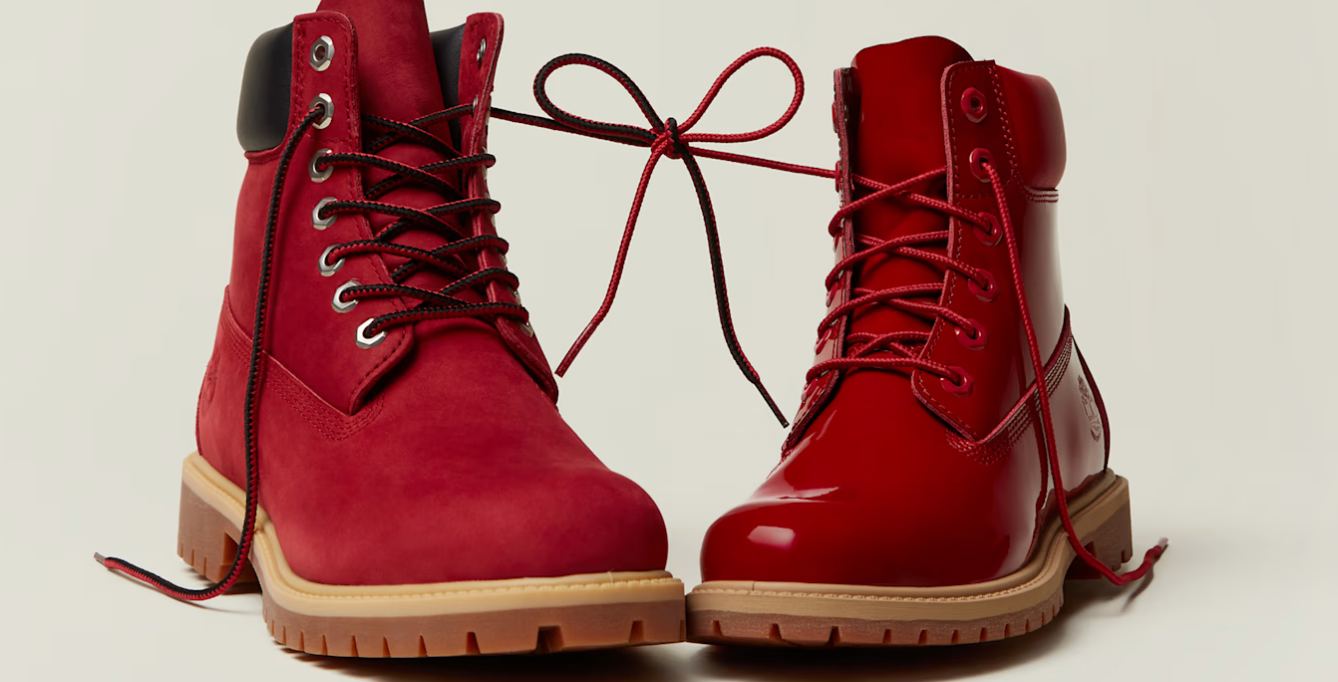
For decades, the name Timberland has stood as a symbol of rugged durability and authentic outdoor style. While many footwear companies prioritize fleeting fashion trends, Timberland has maintained a steadfast focus on quality engineering and a deep-rooted commitment to the planet. From its origins as a specialized work boot for New England laborers to its status as a global lifestyle icon, the brand continues to lead through a unique blend of heritage and responsibility.
The Enduring Quality of the Original Yellow Boot
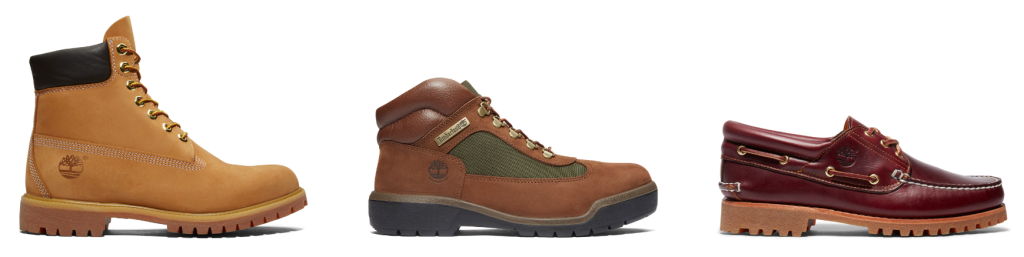
At the heart of the product line is the “Original Yellow Boot,” a design that fundamentally changed the industry. What makes this and other Timberland products special is the pioneering injection-molding technology. This process fuses the rubber sole directly to the leather upper without the need for traditional stitching, creating a truly waterproof barrier.
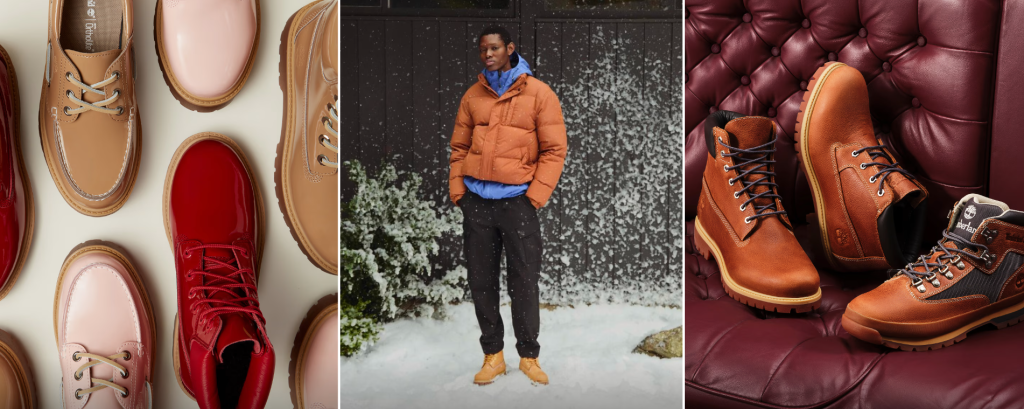
Beyond waterproofing, Timberland uses premium full-grain nubuck leather and rustproof hardware to ensure that every pair can withstand the harshest elements. The brand’s products are engineered for longevity, encouraging a “buy once, wear for years” philosophy that resonates with consumers who value both performance and value.
A Holistic Shopping Experience on the Official Website
The digital storefront at timberland.com offers far more than just a list of available sizes. It serves as a comprehensive resource for the brand’s expanding lifestyle universe. When navigating timberland.com, customers can find:
- Diverse Footwear Collections: Including the PRO series for industrial workers, high-performance hiking boots, and sophisticated hand-sewn boat shoes.
- Eco-Conscious Apparel: A full range of jackets, flannels, and outdoor gear made from organic cotton and recycled materials.
- The Design Your Own (DYO) Tool: A customization feature at timberland.com that allows users to personalize the colors of leather, stitching, and hardware on iconic silhouettes.
- Circular Business Initiatives: Information on the “Timberloop” program, which facilitates the take-back and recycling of old products to keep them out of landfills.
Key Differences Between Timberland and Other Footwear Brands
While many competitors focus on synthetic materials and fast-fashion cycles, Timberland distinguishes itself through its “GreenStride” and “ReBOTL” technologies. “GreenStride” midsoles are made from 75% bio-based materials like sugar cane and natural rubber, while “ReBOTL” fabric repurposes billions of plastic bottles into durable linings and uppers.
Furthermore, Timberland is a leader in regenerative agriculture. By sourcing leather from farms that use regenerative grazing practices, the brand aims to have a net positive impact on the environment by 2030. This level of transparency in the supply chain—detailed extensively on timberland.com—sets a standard that few other mainstream brands can match.
A Community-First Approach to Business
The brand’s identity is inextricably linked to the outdoors and the communities that inhabit them. Through global initiatives like “Plant the Change,” Timberland has committed to planting 50 million trees worldwide. This mission is driven by the belief that a greener future is a better future, a sentiment that is woven into every product found on timberland.com. Whether you are a professional in the field or an urban explorer, the brand provides the tools necessary to move through the world with confidence and a clear conscience.