

For musicians, finding the right instrument or piece of equipment can be about much more than simply choosing a product from a catalogue. Vintage guitars, rare pedals, classic amplifiers and specialist studio equipment can all have their own history and character. Reverb has built its marketplace around this idea, bringing together musicians, collectors, retailers and music enthusiasts looking to buy and sell music gear.
Since launching in 2013, Reverb has developed into a specialist marketplace focused exclusively on musical instruments and related equipment. The selection includes new, used and vintage products, giving shoppers access to both current releases and harder-to-find pieces.
A Huge Selection of Instruments and Equipment
One of the biggest strengths of Reverb is the sheer variety available. The marketplace covers electric, acoustic and bass guitars, amplifiers, effects pedals, keyboards, synthesizers, drums, microphones, DJ equipment, recording equipment and orchestral instruments.
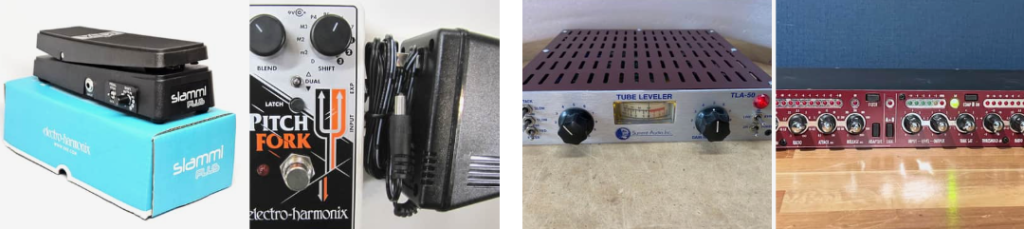
There is also a substantial selection of pro audio equipment and accessories. Whether someone is building a home recording studio, upgrading a guitar rig, searching for a particular synthesizer or simply looking for an instrument to start playing, the range makes it possible to compare many different options in one place.
The marketplace also includes products from major manufacturers, independent retailers, boutique builders and individual musicians. This mixture creates a much broader selection than a traditional single-brand store.
New, Used and Vintage Gear in One Place
A particularly distinctive feature of Reverb is the emphasis on used and vintage equipment alongside new products. Music gear can develop a unique character over time, and older instruments can be highly desirable because of their age, construction, rarity or connection to a particular period in music.
Vintage guitars, classic synthesizers, older pedals and discontinued equipment can therefore sit alongside current models. For collectors and musicians searching for something specific, this can make the buying experience considerably more interesting.
The marketplace’s condition information and detailed seller listings also help shoppers assess what they are considering before making a purchase.
Useful Tools for Finding the Right Gear
The size of the marketplace could make finding a particular product difficult without good search tools. Reverb addresses this with filters and saved searches that allow shoppers to narrow results by factors such as brand, model, condition, year and price.
Customers can also watch listings and receive notifications when prices change. This is particularly useful for sought-after instruments that may appear unexpectedly or for buyers who are waiting for a particular piece of equipment to become available.
There is also the option to make offers on eligible listings, giving buyers another way to negotiate with sellers while keeping the transaction within the marketplace.
A Price Guide for Musicians and Sellers
Another useful feature is the Reverb Price Guide. Rather than relying entirely on guesswork when deciding what an instrument is worth, musicians can use market information to help understand current pricing.
This can be valuable when purchasing second-hand equipment, but it is equally useful for people preparing to sell. Understanding market prices can help sellers create more competitive listings and make more informed decisions about their equipment.
For musicians who regularly buy and sell gear, having pricing information integrated into a specialist marketplace adds another layer of convenience.
Selling Music Gear Made Easier
Reverb is not only designed for buyers. Its selling tools are a major part of the platform.
Sellers can create listings by entering information about their instrument or equipment, adding photographs, descriptions, pricing and shipping details. The platform can help autofill product information and provides tools designed to make the listing process more efficient.
This means an unused guitar, pedal, amplifier or other piece of equipment can potentially reach a large audience of musicians rather than being limited to buyers in the seller’s local area.
For people upgrading their setup, selling equipment can also provide funds for the next purchase, creating a natural cycle between buying and selling.
More Than an Online Store
What makes Reverb different from a conventional musical instrument retailer is its marketplace model. Instead of selling only inventory owned by one business, it connects buyers with thousands of shops, brands, collectors and individual musicians.
That model creates a constantly changing selection. A rare vintage guitar may appear one day, while a particular synthesizer, pedal or amplifier could be listed by a specialist retailer the next.
The platform also places considerable emphasis on music-related education and content. Visitors can find buying guides, gear information, artist interviews, demonstrations and other resources designed to help musicians make more informed decisions.
Built Around the Music Community
Reverb stands out because it is focused specifically on the needs and interests of musicians. Its marketplace is not a general classifieds service where music equipment happens to be one category among thousands.
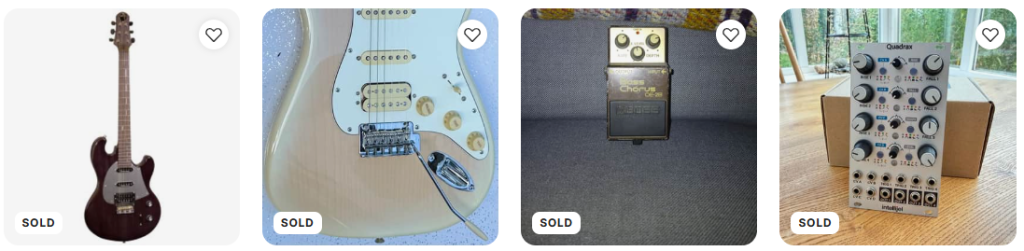
Everything from the product categories and search filters to the Price Guide and educational content is designed around musical instruments and equipment. That specialist focus can make the platform particularly useful for experienced musicians who know exactly what they are looking for, as well as newcomers who need information before making a purchase.
The company also supports Reverb Gives, a programme through which purchases help provide music equipment to youth music programmes.
What Sets Reverb Apart From Other Retailers
The strongest difference with Reverb is the combination of scale, specialist knowledge and variety. Traditional music stores can offer excellent products, but their inventory is naturally limited by their own stock. A general marketplace may have more sellers, but it may not provide the same music-specific tools and information.
Reverb brings these elements together. Buyers can compare new and second-hand equipment, hunt for vintage pieces, follow price changes and communicate with sellers, while sellers can reach a large community of musicians.
A Rich Choice for Musicians and Collectors
For anyone interested in musical instruments, Reverb offers a distinctive shopping experience built around the culture of music gear. Its combination of new, used and vintage products, specialist search tools, pricing information and a global community makes it particularly appealing to musicians who want more choice than a conventional retailer can provide.
Whether searching for a first guitar, upgrading a studio, tracking down a discontinued pedal or selling equipment that is no longer being used, Reverb provides a dedicated space where music gear remains at the centre of the experience.