
Disclosure / Affiliate Notice:
As an Amazon Associate I earn from qualifying purchases.
Some links in this article may be affiliate links that earn me a commission at no extra cost to you.
Stepping out of a warm shower and finding the bathroom mirror completely fogged is a familiar experience. For many people, it’s simply part of the routine — wait a few minutes, wipe the glass, and continue with the day.
However, the extent to which mirrors fog up is not always just a result of hot water. In many cases, small daily habits inside the bathroom influence how much condensation forms and how long it lingers.
Understanding what causes this effect can make it easier to reduce it without changing the entire setup of the bathroom.
Why Mirrors Fog in the First Place
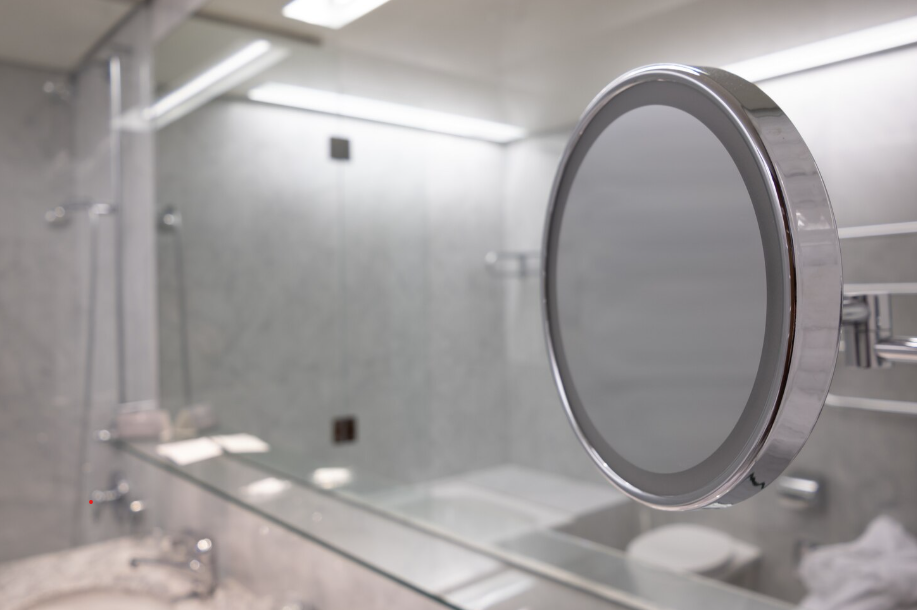
Fogging occurs when warm, moist air comes into contact with a cooler surface. During a hot shower, steam fills the bathroom and increases humidity levels rapidly.
When this humid air touches the mirror, the temperature difference causes water vapor to condense into tiny droplets on the glass surface.
These droplets scatter light, creating the fogged appearance that makes the mirror difficult to use.
The Role of Air Circulation
One of the biggest factors affecting mirror fogging is airflow. In bathrooms where air does not move easily, steam remains trapped for longer periods.
When steam builds up without an escape path, humidity levels rise quickly and stay high even after the shower is finished.
Allowing air to circulate — for example, by opening a door slightly or using ventilation — helps reduce the amount of moisture that settles on surfaces.
Shower Temperature and Duration
Long, very hot showers generate more steam than shorter or moderately warm ones. While comfort is important, higher temperatures increase the amount of moisture released into the air.
This additional steam leads to more condensation on mirrors, walls, and other surfaces.
Even a small reduction in water temperature can noticeably reduce fogging without changing the overall experience of the shower.
Surface Conditions of the Mirror
The condition of the mirror itself can also influence how quickly it fogs. Clean, smooth surfaces tend to allow water droplets to form evenly, while surfaces with residue or buildup may cause uneven condensation.
Regular cleaning can help maintain a more uniform surface, but it does not completely prevent fogging.
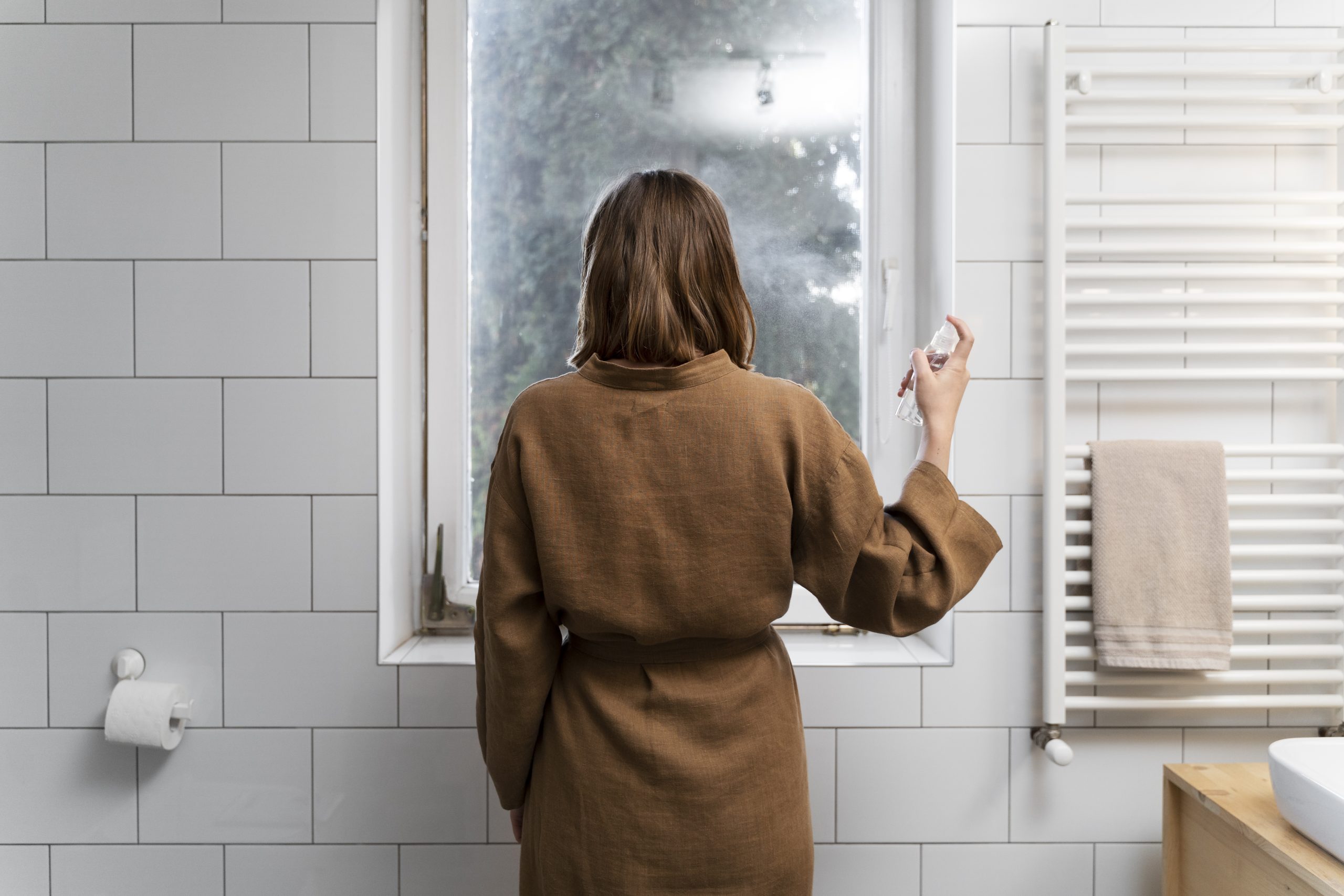
Some people use simple anti-fog solutions to reduce condensation buildup during showers.
A Quick Observation
Moisture in the air doesn’t disappear — it simply settles wherever conditions allow it.
Timing Matters More Than Expected
Another detail that often goes unnoticed is timing. Entering the bathroom immediately after a shower means the air is still saturated with moisture.
Waiting even a few minutes allows humidity levels to decrease naturally as the air cools and moisture disperses.
This small delay can make the mirror clearer without requiring any additional effort.
Combining Small Adjustments
No single change completely eliminates mirror fogging, but combining several small adjustments can make a noticeable difference. Improving airflow, adjusting shower temperature, and paying attention to timing all contribute to reducing condensation.
These changes do not require major modifications to the bathroom. Instead, they rely on understanding how moisture behaves in enclosed spaces.
Over time, these small habits can make everyday routines smoother and more comfortable.
Conclusion
Mirror fogging is a natural result of humidity and temperature differences. By adjusting airflow, temperature, and timing, it is possible to reduce condensation without changing the entire bathroom setup.
👉 If you want to explore practical options that help reduce mirror fogging, you can view an example here:
https://www.amazon.ca/s?k=anti+fog+mirror+spray&crid=3O367GDDA4YZ2&sprefix=%2Caps%2C614&linkCode=ll2&tag=54654654053-20&linkId=0084bde38a1b4fe212ace927c8f38a00&ref_=as_li_ss_tl
As an Amazon Associate I earn from qualifying purchases.